The Role of Amino Acids in Hair Growth: Why Protein Isn’t the Full Story
Medically reviewed by Dr Margo Gkini, Consultant Dermatologist, MD, MSc, PhD, FRCP - June 2026
When it comes to nutrition and hair growth, the conversation usually starts and ends with protein.
And while protein is important, it’s only part of the picture.
Healthy hair growth depends not just on how much protein you eat, but on whether your body has access to the specific amino acids needed to build strong, resilient hair fibres.
These amino acids act as the building blocks of keratin – the structural protein your hair is made from. Without enough of them, hair can become weaker, thinner, more prone to shedding, with slower growth over time.
Amino acids matter as much as protein for hair health – yet they're often overlooked.
What Exactly are Amino Acids?
Amino acids are small molecules that combine to form proteins.
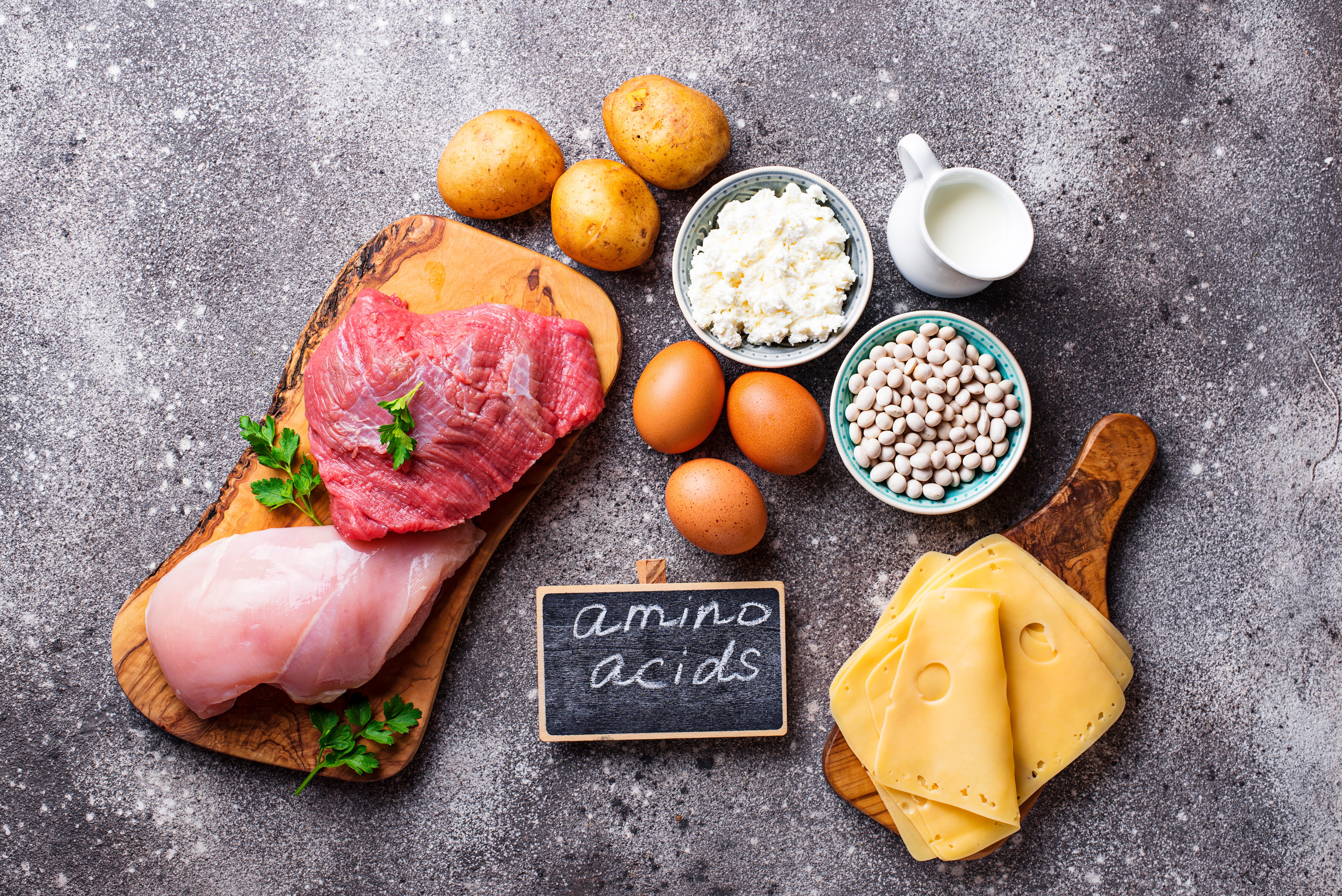
When you eat protein-rich foods like eggs, fish, meat, tofu or legumes, your body breaks those proteins down into individual amino acids. It then uses those amino acids to repair tissue, support hormones and build structures throughout the body – including hair.
There are 20 amino acids in total, and several are particularly important in healthy hair growth.
Why Hair Needs Amino Acids
Hair follicle matrix cells are among the fastest-dividing cells in the body – which means they have very high nutritional and energy demands.
To continuously produce new hair fibres, follicles need access to the raw materials required to make keratin efficiently and consistently.
If amino acid availability is low, the body prioritises more essential functions. Hair growth is considered ‘non-essential,’ which means the follicle feels the effects of nutritional shortfalls relatively quickly.
This can contribute to:
Increased shedding
Hair becoming finer or weaker
Slower growth
Increased breakage
Reduced hair density over time
Importantly, this can happen even without severe malnutrition – subtle imbalances or insufficient intake over time may affect hair quality and growth.
Keratin: The Protein Your Hair is Made From
Hair is primarily made from keratin – a strong structural protein rich in sulphur-containing amino acids.
Keratin gives hair its:
Strength
Structure
Elasticity
Resilience
To produce keratin the body depends on amino acids such as L-cysteine and L-methionine.
Without enough of these building blocks, the hair fibre itself may become weaker and more prone to breakage.
The Key Amino Acids Involved in Hair Growth
L-cysteine
L-cysteine is a key amino acid involved in keratin production.
It contains sulphur, which helps form the structural bonds within the hair fibre. These sulphur bonds contribute to hair’s strength and durability.
L-cysteine also supports the production of glutathione – one of the body’s major antioxidants – which helps protect cells from oxidative stress.
L-methionine
L-methionine is another sulphur-containing amino acid that supports keratin formation.
It also acts as a precursor to several important biological compounds involved in cellular repair and growth. Because the body cannot produce methionine itself, it must come from the diet.
Low intake may weaken hair structure over time.
L-lysine
L-lysine supports hair health through a different – but equally important role.
It helps support iron absorption and may contribute to the structure and function of the hair follicle itself. Research suggests that low lysine levels are associated with increased hair shedding, particularly in women experiencing chronic diffuse hair loss.
Because iron and hair growth are closely linked, lysine’s role in supporting iron availability may be particularly valuable.
So Why Isn’t Protein Alone Enough?
This is where things get more nuanced.
You may eat ‘enough protein,’ but still not consume optimal levels of the specific amino acids needed to support healthy hair growth.
Factors that may affect amino acid availability include:
Restrictive dieting
Low overall calorie intake
Vegan or vegetarian diets lacking diversity
Poor absorption
Chronic stress
Increased nutritional demands (e.g. pregnancy or postpartum recovery)
Rapid weight loss
This helps explain why you notice hair shedding after periods of dieting, illness, stress or significant lifestyle changes – even without any obvious signs of malnutrition.
Hair is often one of the first places the body reduces resources when nutritional intake falls short.
Amino Acids and Hair Supplements
Many hair supplements now include targeted amino acids alongside vitamins and minerals.
Rather than focusing purely on ‘hair vitamins,’ they aim to provide some of the raw materials needed to support keratin production and follicle function.
This works best when combined with:
Iron support
Zinc
Vitamin D
Omega-3 fatty acids
Clinically-proven prescription hair loss treatments
Prescription treatment remains the gold-standard, evidence-based solution for stimulating hair regrowth. But, healthy hair growth also depends on the environment the follicle operates in.
Amino acids help support that environment from within.
Can Amino Acids Reverse Hair Loss?
This depends on the cause of the hair loss.
If hair thinning is primarily driven by genetics or hormones, amino acids alone are unlikely to reverse it. In these cases, prescription treatments are needed to directly target the underlying causes of follicle miniaturisation and shedding.
However, amino acids may still support:
Hair strength
Growth quality
Reduced breakage
Healthier hair structure
Stronger growth conditions
The best outcomes often come from combining evidence-based treatment with strong nutritional support.
Final Thoughts
Protein matters for healthy hair growth – but amino acids are the real building blocks that make it all possible.
These essential compounds help your body produce keratin, support follicle function and maintain stronger, healthier hair structure over time.
And while amino acids aren’t a replacement for clinically-proven hair loss treatment, they may optimise the conditions needed for healthier growth.
Because healthier hair doesn’t just depend on what you put on your scalp – it also depends on what your follicles have access to beneath the surface.
References
Milani M, et al.
“Efficacy and Tolerability of an Oral Supplement Containing Amino Acids, iron, selenium, and marine hydrolyzed collagen in Subjects With Hair Loss.”
Skin Research and Technology. 2023.
PubMed ArticleTrüeb RM.
“‘Let Food be Thy Medicine’: Value of Nutritional Treatment for Hair Loss.”
International Journal of Trichology. 2021.
PMC ArticleAlmohanna HM, Ahmed AA, Tsatalis JP, Tosti A.
“The Role of Vitamins and Minerals in Hair Loss: A Review.”
Dermatology and Therapy. 2019.
PMC ArticleNatarelli N, et al.
“Integrative and Mechanistic Approach to the Hair Growth Cycle and Hair Loss.”
Journal of Clinical Medicine. 2023.
PMC Article
Hair Regrowth Starts Here
Thicker, fuller hair begins with a scientifically proven treatment, personalised for your hair by our experts.
Treatment subject to dermatological assessment.